
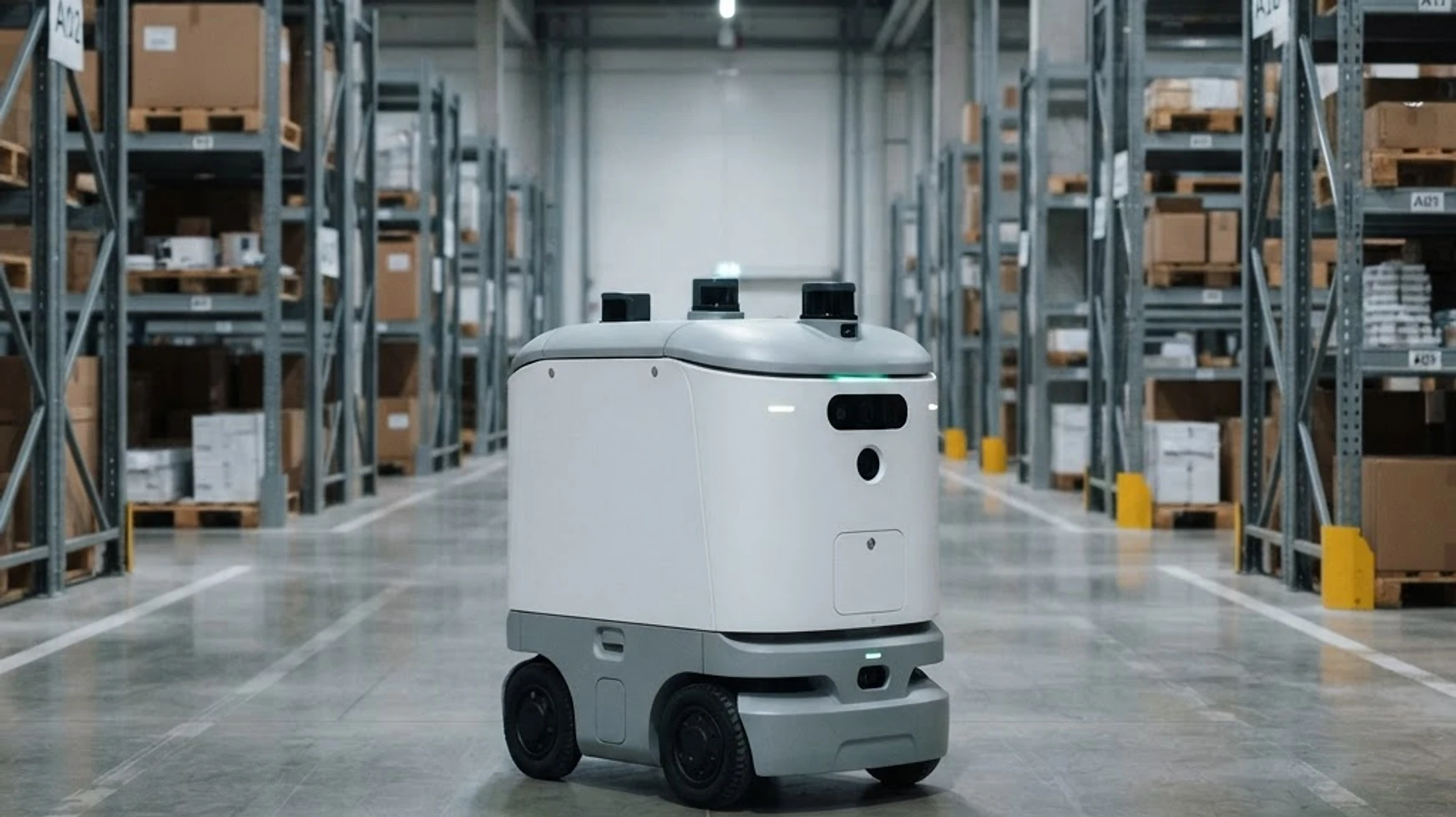
The robots arriving in ordinary businesses are wheeled, low and unremarkable. They move stock, scrub floors and photograph equipment on a schedule. None of it is dramatic, which is part of why it works.
Why routine tasks come first
These tasks share three properties: the environment is known, the definition of a good outcome is simple, and failure is cheap. That combination is rare in service work and it is exactly where automation earns its place.
The work around the robot
The hard part is rarely the machine. It is the surrounding process: who charges it, who handles an exception, and what happens to the data it collects.
Where the larger change may begin
Inspection is the interesting frontier, because a robot that reliably records the condition of a building changes what a maintenance contract can promise.